Someone lands on your website or sees your storefront for the first time. Before they read your headline, before they check your prices, they have already made a decision: trust this, or move on. That call happens in about 3 seconds, and almost nothing you say afterward changes it.
What people actually judge first
Nobody reads a homepage top to bottom before deciding how they feel. They scan. In that scan, a few things register instantly: whether the design looks intentional or thrown together, whether the visuals feel consistent, and whether anything looks slightly off, a stretched logo, mismatched fonts, a stock photo that does not fit.
None of this is conscious. It just gets read as competent or not competent, before a single word is processed.
Why this matters more than good copy
A well-written page cannot rescue a first impression that already failed. If someone has silently decided your business feels unpolished or unclear, they read the rest of the page looking for reasons to confirm that, not reasons to change their mind.
Trust is not built through what you say. It is built through what people notice before you say anything.
What actually builds instant trust
- Visual consistency: Same fonts, same colours, same tone across every page and platform.
- A clear, specific message: Vague positioning reads as uncertain, and uncertainty reads as untrustworthy.
- Design that looks intentional: Even simple design earns trust when it looks deliberate rather than default.
- Proof, somewhere visible: A client name, a number, a result. Something that is not just a claim.
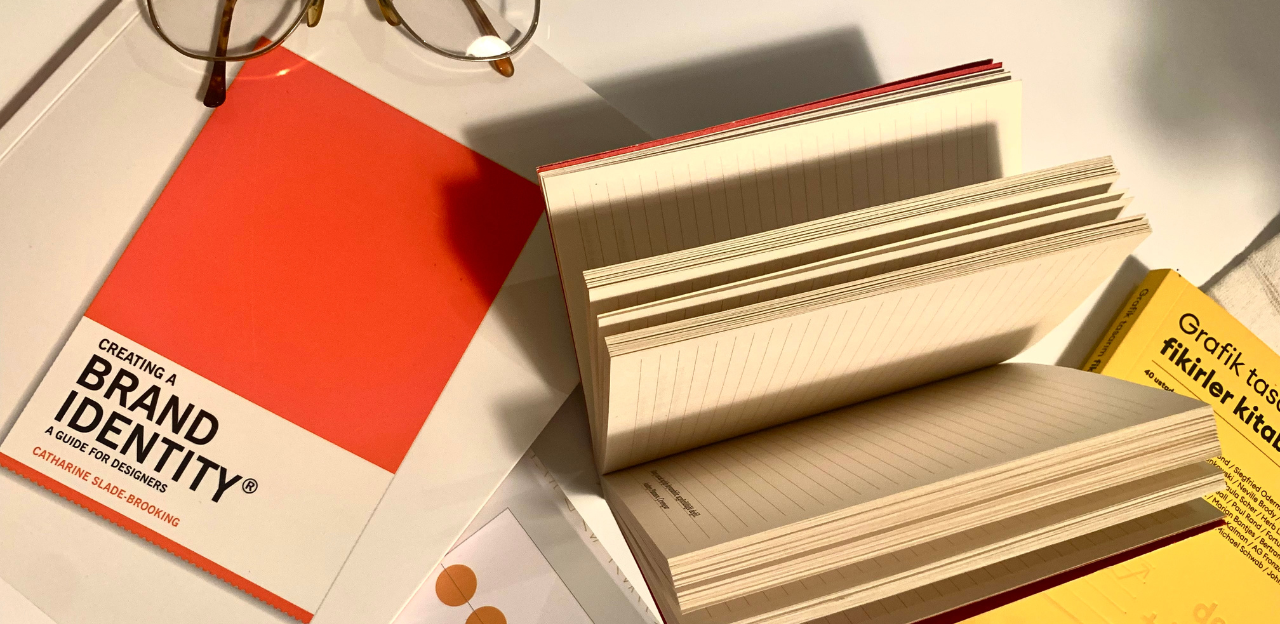
This is the same gap we pointed to in You Have a Logo. Do You Have a Brand?, a logo alone does not do this work. Trust comes from everything around it holding together.
What this actually means for you
If your business feels harder to trust than it should, the fix is rarely the product or the pricing. It is usually the 3 seconds before anyone gets that far. Fixing that is often faster and cheaper than people expect.
Not sure what your first 3 seconds are actually saying about you? Get a free audit and we'll show you exactly where trust is being lost, and how to fix it.