You built the site. You wrote the copy. You picked colours that felt right. And still, the traffic report looks the same every week: a handful of visits, most of them gone in seconds. If that sounds familiar, the problem usually isn't your website. It's what happens right before someone lands on it.
Where the click actually gets lost
Most business owners assume a quiet website means bad design or weak SEO. Sometimes that's true. More often, the real issue is upstream. People never see the link in the first place, or they see it and choose not to click.
That happens for a few consistent reasons:
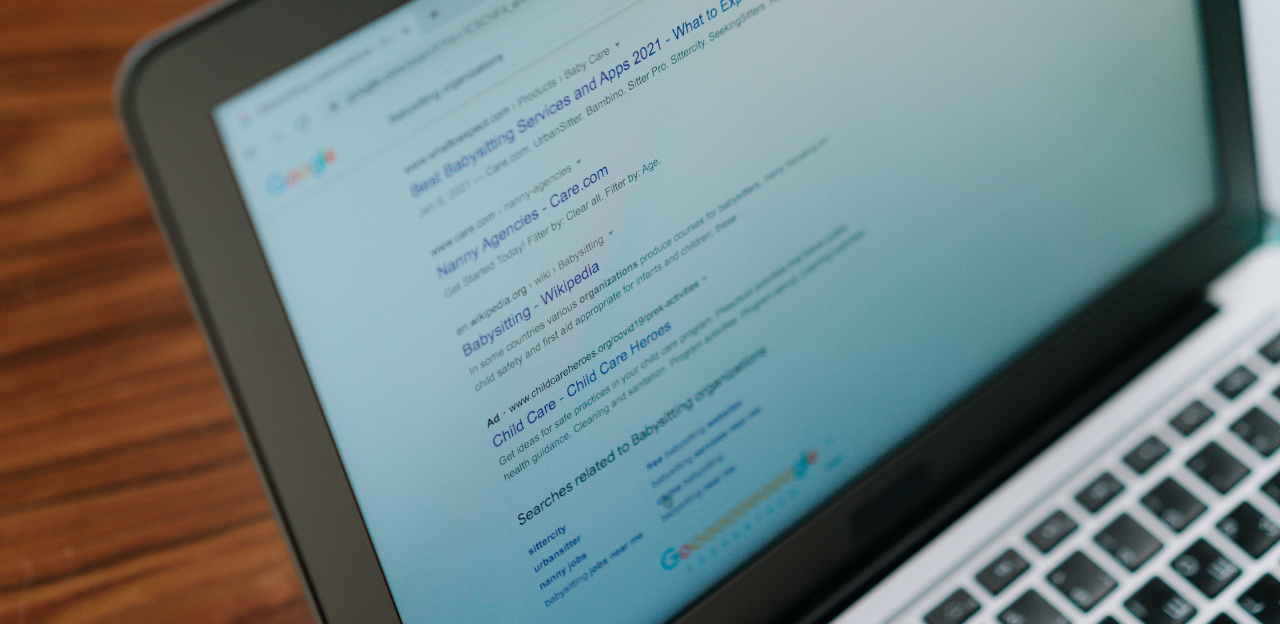
- The headline promises nothing specific. Vague titles get skipped in search results, no matter how well the page underneath is written.
- The meta description reads like filler. If it doesn't answer "why should I click this over the other nine results," it won't earn the click.
- The page isn't actually answering the question people typed. Search engines and AI tools alike are getting better at matching intent, not just keywords. A mismatch shows up as low clicks even with decent visibility.
- There's no reason to trust the result. No clear author, no real specificity, nothing that signals the page was written by someone who actually knows the topic.
Why visibility and clicks are two different problems
You can rank well and still get ignored. Impressions measure whether Google is showing your page. Clicks measure whether people believe it's worth their time. This is the same gap we broke down in Is SEO Dead in 2026?, ranking has never been the finish line, and in 2026 it matters even less on its own.
A page that ranks but doesn't get clicked isn't a visibility problem. It's a trust problem, solved one line of copy at a time.
This is also where AI-driven search is raising the bar. Tools that summarise results directly mean your listing has to be the clearest, most specific answer on the page, or people take the summary and move on without clicking anything.
What actually fixes it
- Write titles that state the outcome, not the topic. "5 Reasons Your Site Isn't Converting" earns more clicks than "Website Conversion Tips."
- Make the meta description do real work. Treat it like ad copy: state the problem, hint at the answer, and leave a reason to click through.
- Match the page to the actual question. If people are searching "why is my website not getting traffic," the page needs to answer that directly.
- Add real specificity. Numbers, timeframes, and plain language outperform broad claims every time.
What This Actually Means for You
Your website probably isn't broken. It's likely invisible in the ten seconds that decide whether someone clicks or scrolls past. That's fixable, and usually fast, starting with how your pages introduce themselves rather than what's underneath.
Not sure why your traffic isn't converting to clicks? Our SEO team at Digi Lead Up will show you exactly where people are seeing your business and why they're choosing not to click through. Get a free audit and we'll show you exactly where the opportunity is.